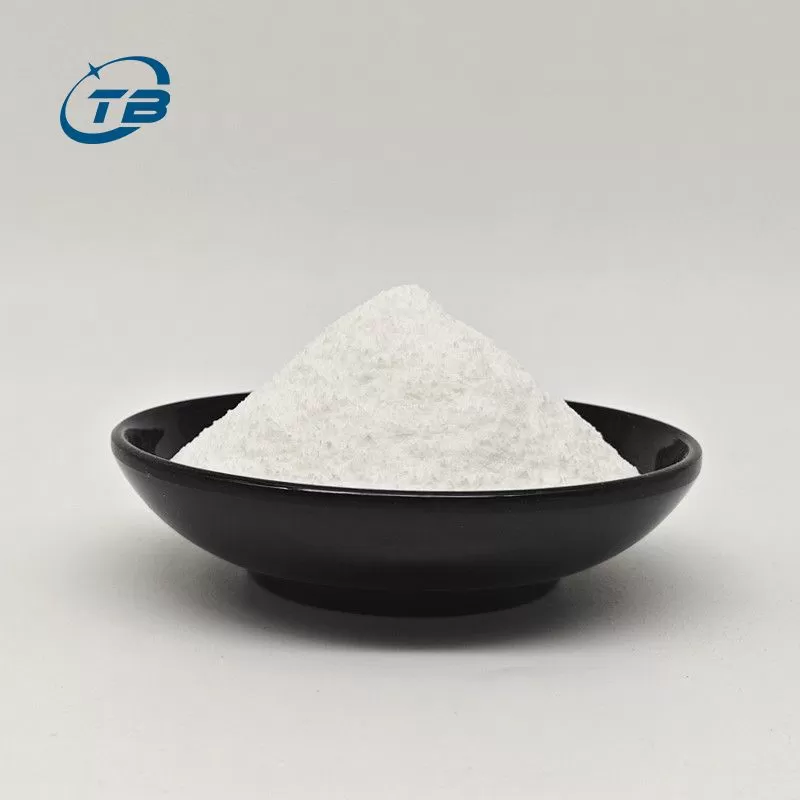

L-Menthol vs D-Menthol: Key Differences and Applications
Understanding the differences between L-Menthol and D-Menthol is crucial for industries ranging from food and beverage to pharmaceuticals. Both compounds are forms of menthol, a substance derived from mint oils, but they possess distinct characteristics and applications.
For more information, please visit l-menthol vs d-menthol.
What is L-Menthol?
L-Menthol is the naturally occurring stereoisomer of menthol, found predominantly in mint plants like peppermint. It is well-known for its cooling sensation and is widely used in various applications, from flavoring agents in food products to active ingredients in medicinal formulations. The chemical structure of L-Menthol makes it particularly effective in activating the TRPM8 receptor, which is responsible for detecting cold sensations.
Applications of L-Menthol
- Food and Beverage: L-Menthol provides a refreshing flavor in products like gum, candies, and beverages.
- Cosmetics: It is commonly added to creams and lotions for its cooling effect, making products feel soothing on the skin.
- Pharmaceuticals: L-Menthol is utilized in topical pain relief products, cough drops, and other medicinal formulations due to its analgesic properties.
What is D-Menthol?
D-Menthol, on the other hand, is the synthetic or less common stereoisomer of menthol, which can be produced in the lab or derived from other sources. While similar in chemical structure to L-Menthol, D-Menthol does not elicit the same level of cooling sensation and is often considered to have a less pleasant flavor profile. Its applications are somewhat limited compared to L-Menthol.
Related links:Green Iron Oxide Pigment vs. Synthetic Alternatives: Which Is Better?
How Will Aerogel Sheets Impact Battery Efficiency and Safety?
Transform Your Outdoor Space: How Decorative Landscaping Stone Solves Your Design Dilemmas
Top 5 Benefits of Choosing a Reliable NBR Latex Supplier
Unlocking Aerogel Powder: The Future of Insulation
What Non Metallic Mineral Products Are Best?
Key Considerations for Custom Carpet Purchases
Applications of D-Menthol
- Flavoring: Despite its less favorable taste, D-Menthol is sometimes used in products where a stronger mint flavor is not required.
- Industrial Uses: It finds applications in certain industrial processes, including the synthesis of other chemicals.
Key Differences Between L-Menthol and D-Menthol
The primary difference between L-Menthol and D-Menthol lies in their molecular configuration, which subsequently affects their smell, flavor, and the sensations they produce. Below is a comparison table summarizing essential differences:
| Property | L-Menthol | D-Menthol |
|---|---|---|
| Naturally Occurring | Yes | No |
| Cooling Sensation | Strong | Weak |
| Flavor Profile | Mild, pleasant | Harsh, less pleasant |
| Main Applications | Cosmetics, Food & Pharmaceuticals | Industrial Uses |
Conclusion
In summary, the choice between L-Menthol vs D-Menthol often comes down to the intended application and the desired sensory experience. For food, cosmetics, and medicinal products, L-Menthol remains the preferred choice due to its favorable properties and natural origin. D-Menthol is less common but still finds its niche in specific industrial contexts. Understanding these differences can help manufacturers and consumers make informed decisions about their product choices.
The company is the world’s best what is levomenthol supplier. We are your one-stop shop for all needs. Our staff are highly-specialized and will help you find the product you need.
Related links:Unlock Precision: How Cross Drill Bits Can Solve Your Drilling Headaches
Unlocking the Benefits of Titanium Dioxide Powder Today
How Can Aerogel Thermal Insulation Blankets Enhance Your Heat Management Efficiency?
Crystal Velvet Carpet: 7 Stylish Ideas to Elevate Your Home Decor
Wholesale Iron Oxide vs. Traditional Pigments: Which Is Better?
How do Corrosion Agents cause rust, and how do I stop Corrosion Agents fast?
7 Key Benefits of Hydroxypropyl Methylcellulose Powder You Should Know